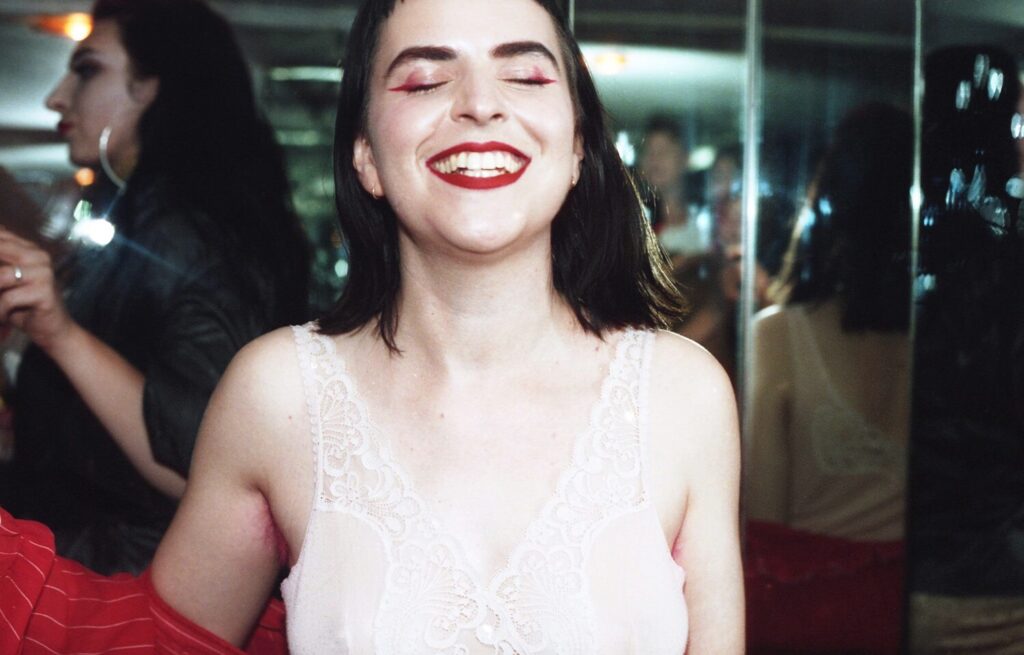
Commissioned by the National Trust for their Prejudice & Pride programme, 2017
Performed aloud at the National Trust Prejudice & Pride Conference, Queer Representation in Spaces of National Historical Significance, the same year.
Originally published as the introduction to the Light After Dark exhibition zine, curated by Kat, for Sutton House, Hackney. Published here alongside images from the exhibition.
I caught a late night train down to the south coast from London Victoria the other week and met a lovely couple that, for the purposes of this piece, we’ll call Brad and Janet.
Brad and Janet ran panting on to the train just as the doors were closing with a half-empty bottle of Barefoot Cabernet Sauvignon, and sat down opposite me beaming with red-lipped triumphant grins. I smiled and complimented them on their refreshment setup. Janet offered me a drink.
Brad and Janet were in their 30s, neatly put together, Brad in a starched white Hugo Boss t-shirt and Janet with her tight blonde curls. They were on their way back from a rare night on the town for which Janet had managed to find a babysitter for their daughter. In good spirits, we all got chatting. Brad was a builder and Janet a contractor working remotely for a central London firm. I divulged to them that, amongst my other professions as a designer, artist, and promoter, I was working on an exhibition with the National Trust on Queer London club culture, to celebrate fifty years since the partial decriminalisation of homosexuality in England and Wales. They were intrigued and we started to have the most wonderfully honest and open conversation about LGBTQ+ people and the journey we’ve been on that I think I’ve had with anyone outside of the community to date.
“I don’t mind people being gay or anythin’ Brad seemed a little uneasy, ‘two blokes walking down the street holding hands don’t bother me. It’s just those ones who have to rub it in your face makes me feel all queasy. Like you can’t not look at ‘em, wearing women’s clothes, all in your face, walkin’ ’n’ talkin’ like women too, all loud. It’s like they’re going out of their way to rub it in. Why try so hard to be different?!”
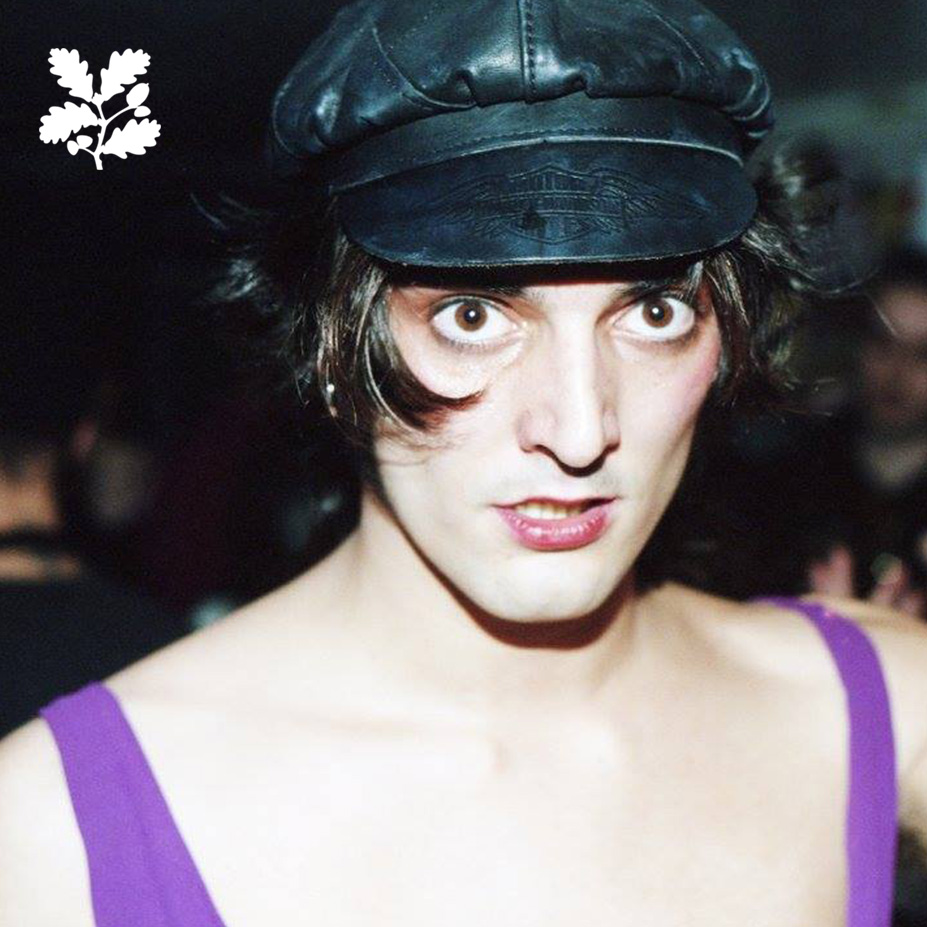
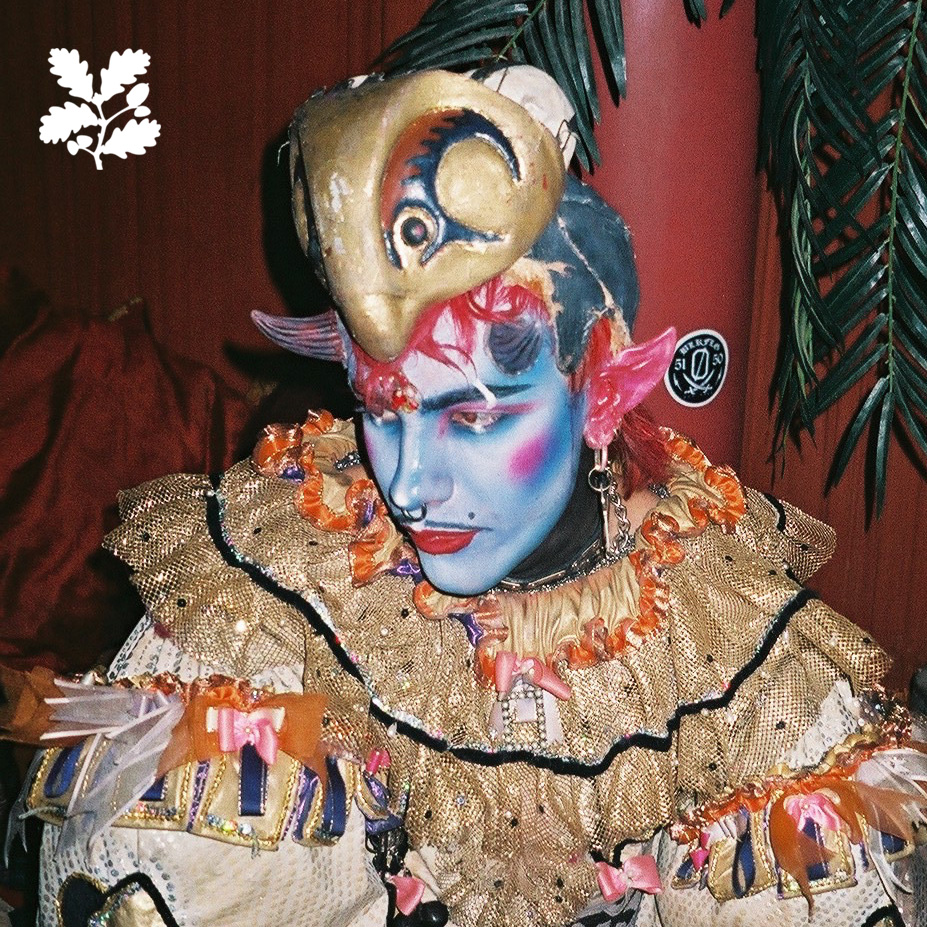
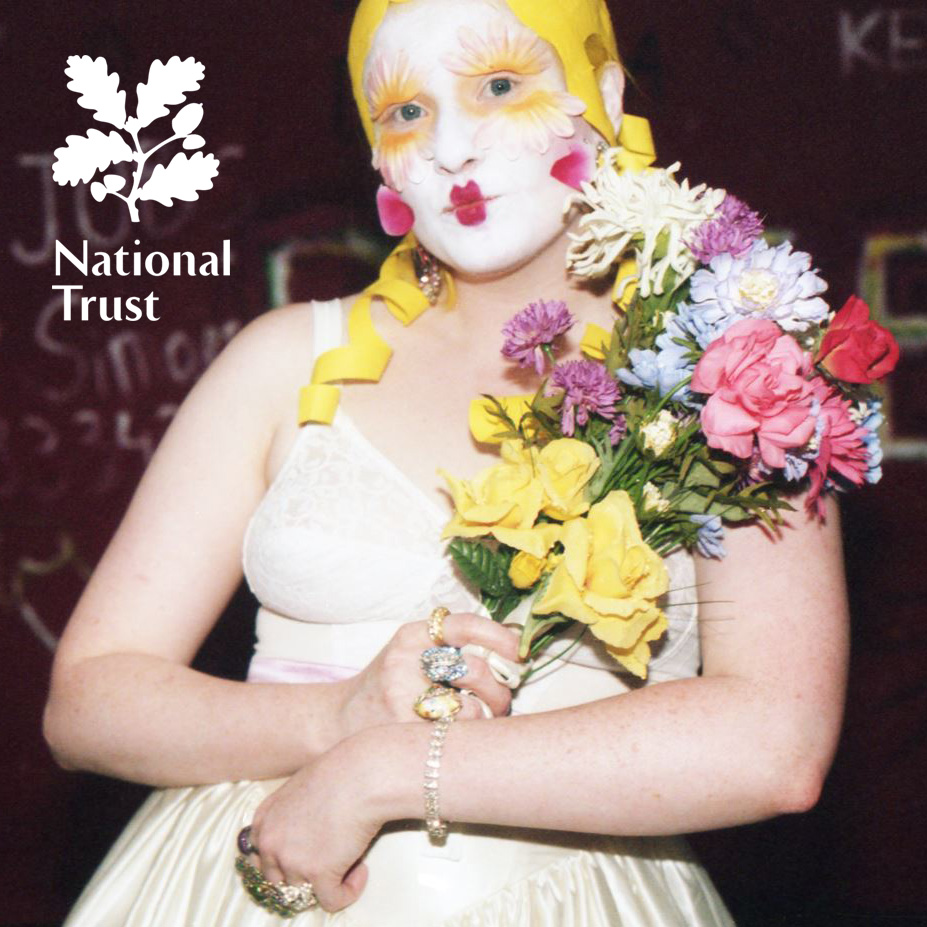
I listened patiently until he had finished before putting across my point of view. “Has it occurred to you,” I said in a purposefully calm and considered tone, ‘that for the people who act and dress like this, being anything else would in fact be the thing that they would have to ‘try so hard’ to be.” Brad was not yet convinced, so I continued, “If you walked into one of our spaces, where we all dress to the nines, flamboyant as hell, gender boundaries out the window, it would be YOU who would be the one who’s in OUR faces – trying so hard to present yourself in the way you want to be perceived.”
“I don’t try hard to be anything” he chimed in, defensively. “It could be argued otherwise,” I said, “Your white pressed Hugo Boss T-Shirt, your thick silver chain, gelled hair.” Janet raised her eyebrows at him and smiled as she took another sip of wine. “But that’s not” – “You do,” said Janet. “But that’s just who I am” said Brad. “Exactly!” I exclaimed. “That’s just who you are! And that’s just who we are. If you were in our space you would be the ones who, in your words, would look like you were rubbing your ‘otherness’ in our faces. You would be the ones that didn’t fit in.” … “Ah,” he said. He thought he had me now.. “But we wouldn’t come into your spaces though would we” … I smiled, my volume lowered and my enthusiasm softened. “The difference is though Brad, that your space is the whole world. We just have a few little dingy clubs in East London.” He sat back, eyes wide. He understood. He still didn’t like how it made him feel but he understood. Janet got it too. We all poured another cup of Cabernet Sauvignon.
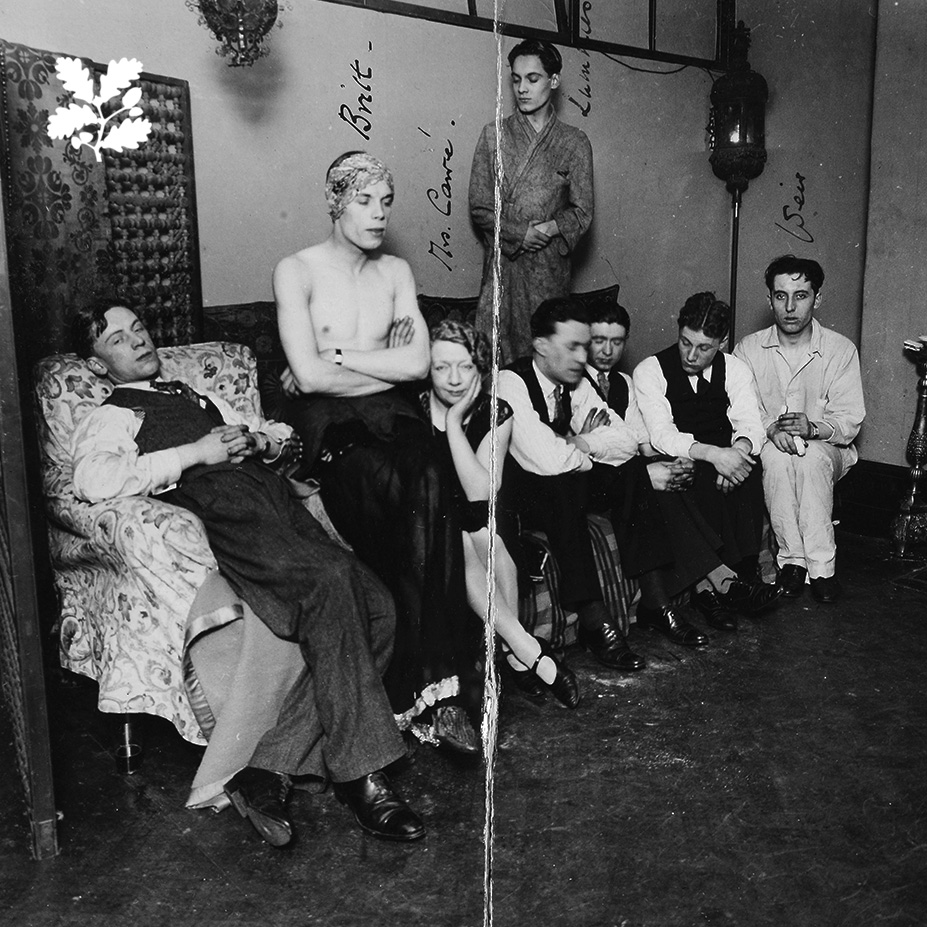
Photograph of individuals present during a raid of Fitzroy Square, used as evidence, 1927. The National Archives – Kew catalogue ref: CRIM 1/387
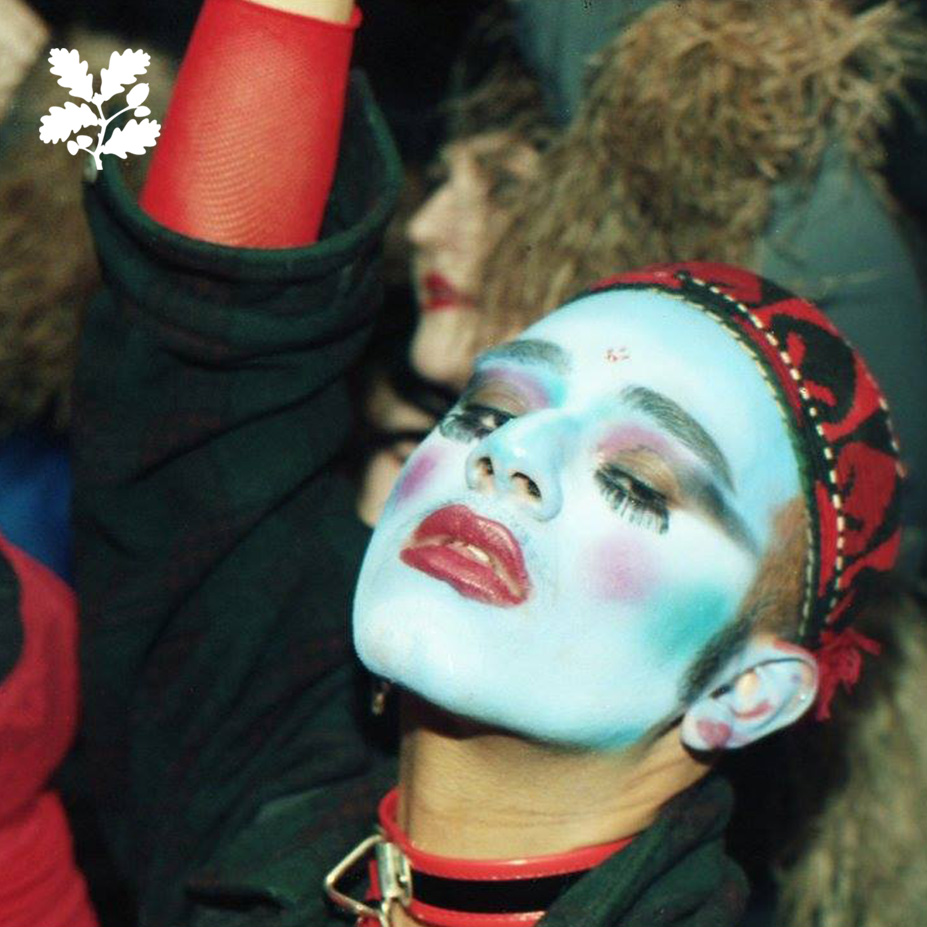
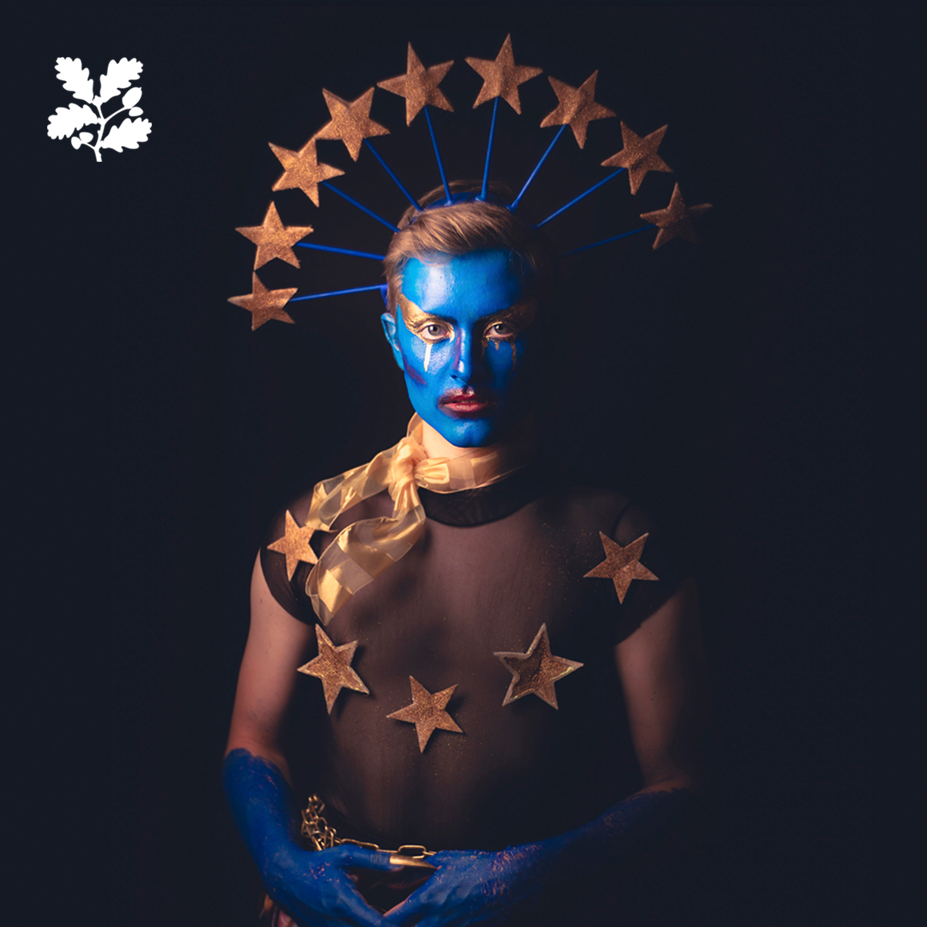
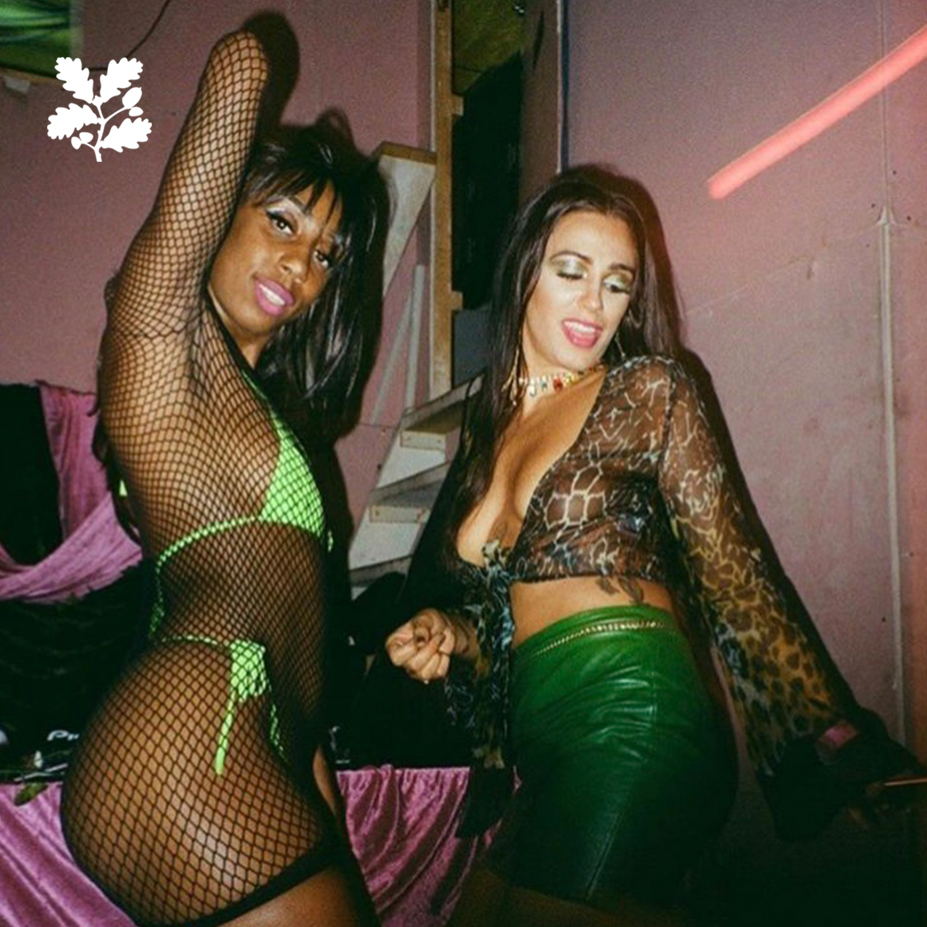
The journey continued amicably as did the conversation. We talked about homophobia on building sites, about lesbianism and what if their daughter was gay (not the same by the way, lesbians don’t make Brad that uncomfortable), parties, work, and children.
‘You know what though,’ said Brad as the tannoy announced their stop, ‘On a building site, the toilets are the most disgusting thing you’ll ever see. ‘orrible smell, full of graffiti too. Now ten or so years ago it was all kinds of homophobic shit, so-and-so’s gay, such-and-such bums such-and such. etc. etc..’ He paused, his tone softened, and with a sense of pride he looked at me and said, ‘don’t see none of that stuff in there now.’
Legally, we’ve taken so many amazing, positive leaps as a community since 1967, but socially a lot of prejudices still lie beneath the surface. Of all the different viewpoints presented in this zine, one that remains constant is that we all feel different from what is widely considered to be ‘normal’. We don’t all want to feel integrated with the norm either. Although some do and that’s ok too – see the homonormative club nights of the new(ish) LGBTQ+ mainstream that’s popped up since legalisation. I very much hold the view that being yourself should not, in itself, be an act of rebellion. Rebellion should be something that you choose for yourself. As a whole I feel confident in saying that we just want our differences to be accepted for what they are, celebrated, and to celebrate them with each other in our own spaces – spaces where we fit in. Spaces in which we can pretend, if only for the night, that the whole world is ours.